2026 has officially rolled for initiative.
As the new year progresses, you are likely looking to unlock a new proficiency, whether that means learning a new skill, mastering complex recipes, or finally launching that epic Dungeons & Dragons campaign with your friends!
To help you ascend from a level one beginner to a master storyteller, we have curated the essential roadmap for your journey. We present the legendary guide to how to start a DnD campaign in 2026.
Creating a Dungeons & Dragons game
How to start a DnD campaign
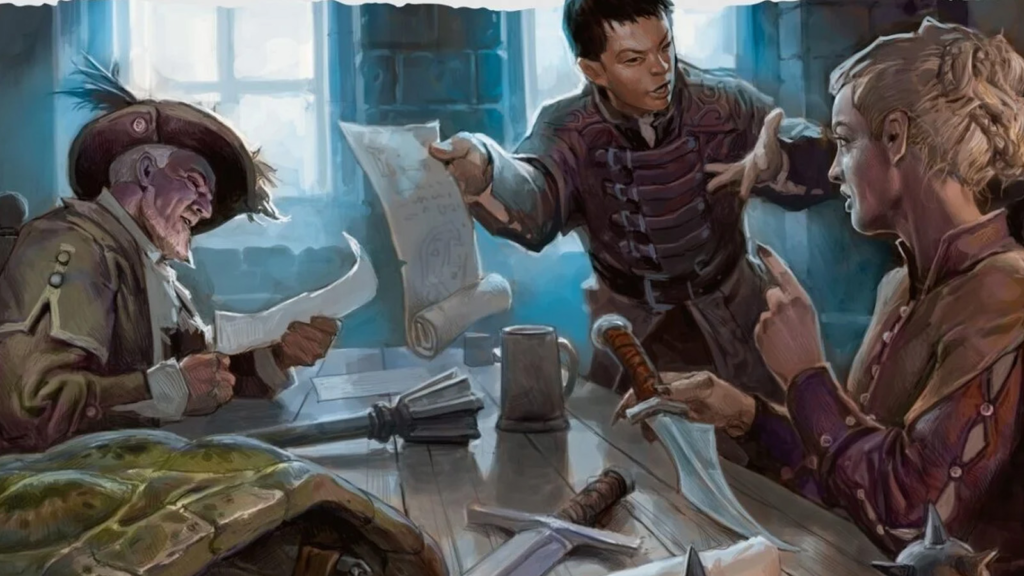
Building a DnD campaign can seem overwhelming, but it’s easy if you break it down into logical steps. Use this plan to get started.
1. Determine the Scale and Scope
Before you draw a single map, decide on the boundaries of your simulation. Is this a “level 1 to level 20” campaign that spans decades (Macro Campaign), or a tight, focused narrative that takes place entirely within a single cursed city (Micro Campaign). Defining the scope early prevents what we call “DM burnout”, the most common ailment in our profession where a DM overtweaks stories.
2. Establish the Hook (What’s Going On)
A fantasy world without flaws or conflict is just a landscape painting. You need a central tension, the plot of your world. This could be an encroaching necromantic plague, a succession war between dragon siblings, or the slow death of magic itself. This tension should exist regardless of the players. Their problem lies in how they choose to resolve (or worsen) it.
3. Cost of power (The Law of Equivalent Exchange)
This is a critical rule for dramatic tension. Magic and great actions must never be free. If players can solve every problem with a spell slot, the narrative loses its value. You must establish that significant feats extract a toll beyond simple mechanics.
- Time: A ritual takes three days, during which the villain’s plan advances.
- Pain/Energy: Powerful magic requires sacrificing Hit Dice or suffering a level of exhaustion.
- Sanity: interacting with cosmic horrors or forbidden lore chips away at a character’s mental stability.
- Consequence: If they act without caution, the world pushes back. Make them weigh the cost of their miracles.
4. Don’t forget to build a “Starting Town”
Do not build the entire continent yet. You only need the immediate area where the players will spawn.
- One Safe Haven: A tavern, a guildhall, or a base of operations.
- Three NPCs: A quest giver, a merchant, and a local authority figure.
- One Local Threat: The goblin camp, the haunted cellar, or the corrupt mayor. This creates a “sandbox” small enough to manage but rich enough to explore.
5. Calibrate the Economy of Loot (Avoid “Power Creep”)
Do not flood the market with legendary artifacts in the first tier of play. If you hand out a Vorpal Sword at Level 3, you break the mathematical integrity of the game. Loot must be balanced and earned.
6. Curate your creatures (Ecology over “Coolness”)
Ensure your dungeon encounters make sense; resist the urge to populate your campaign with a random assortment of monsters just because they have appealing art. Every monster must have a biological or narrative function.
- The “Why” Matters: If there is a Beholder in the cave, what is it eating? Who is it commanding? If you put a Fire Elemental in a wooden library, it better be burning down.
- Avoid Bloat: Too many enemies clog the “Action Economy” and slow combat to a crawl. A single, well-placed monster with a rich backstory is infinitely more terrifying than a horde of generic orcs with no motivation.
7. Prepare the “Inciting Incident”
Physics dictates that an object at rest stays at rest until acted upon by an external force. Your party is that object. The Inciting Incident is the force. It is the explosion at the festival, the letter from the dead king, or the sudden eclipse of the sun. It forces the players to stop roleplaying their breakfast and start adventuring.
8. Don’t Forget Your IRL Equipment!
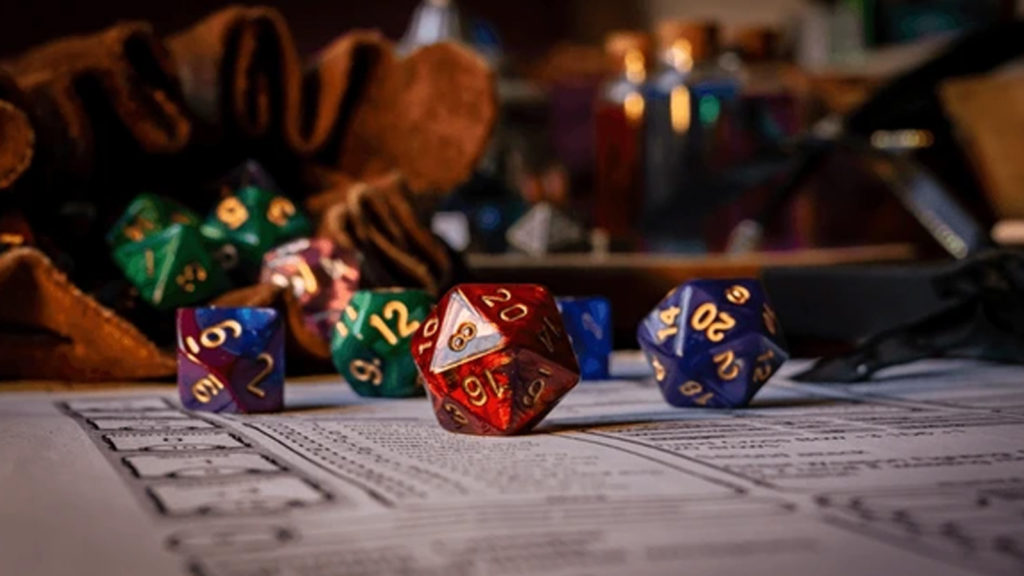
Even in 2026, the digital realm cannot fully replicate the tactile satisfaction of a physical critical hit. Equip your physical inventory:
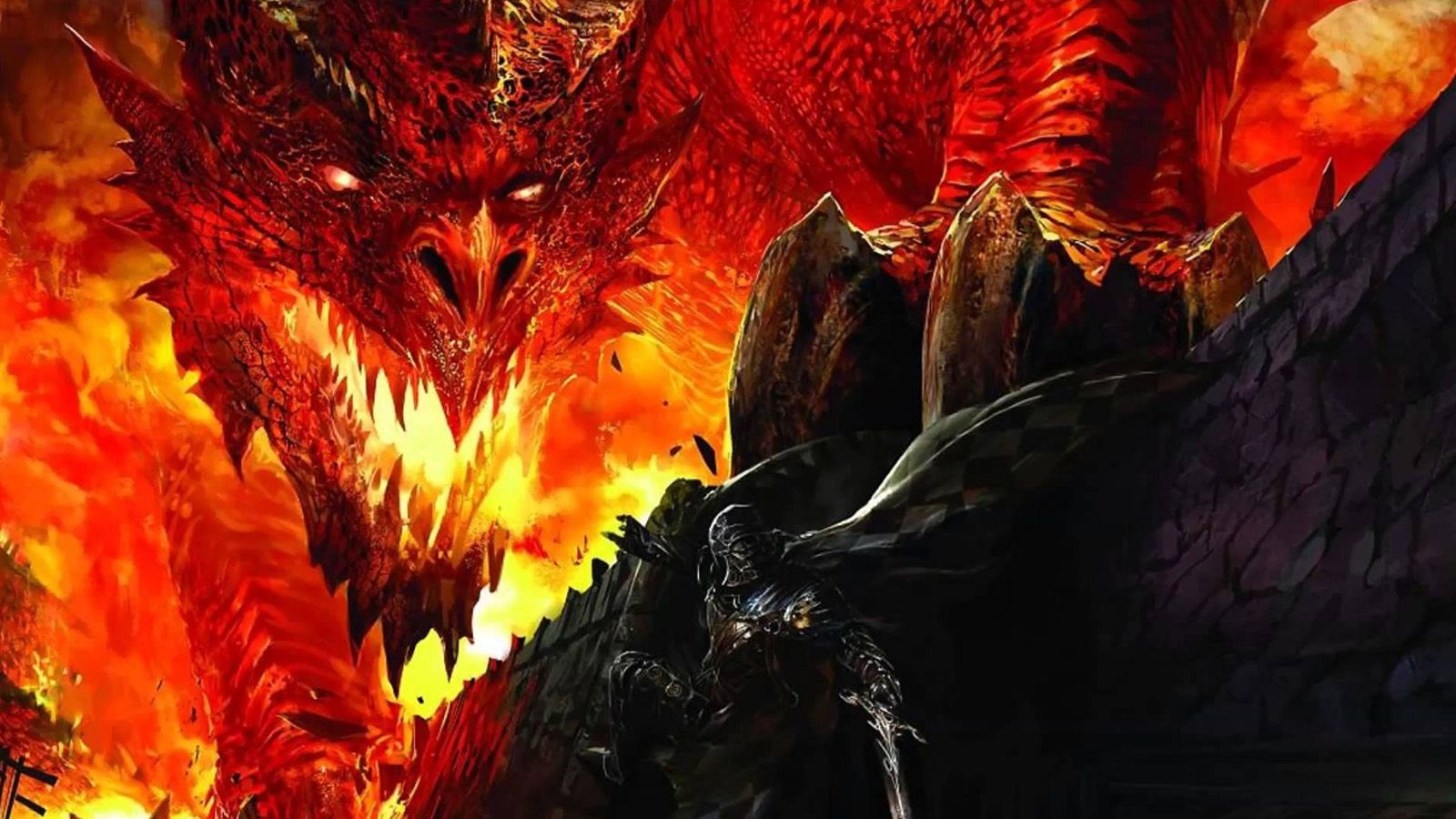
- The Dice: Ensure you have enough polyhedral dice to roll damage for an Ancient Red Dragon (roughly 26d6).
- The Quill: A smooth-writing pen is the wand of the DM.
- The Tome: Invest in that “aesthetic notebook” with the leather binding. It serves no mechanical function, but it intimidates players into thinking you have planned way more than you actually have.
D&D campaign Ideas
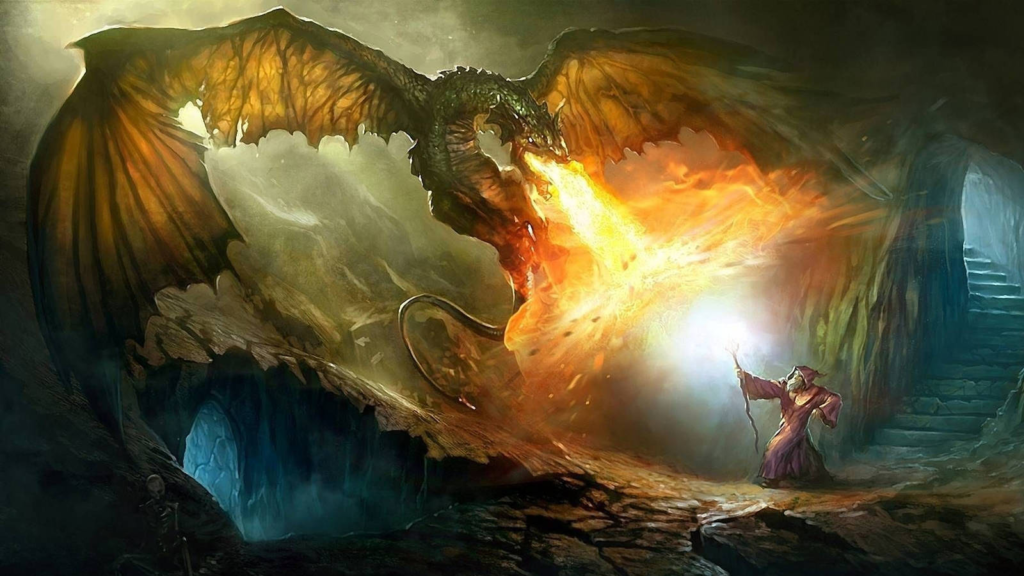
If you’re struggling with too many choices, these five different campaign models can help spark your imagination and get you started.
1. The Resurgence of the Dragon Lords (Vanilla D&D)
- Genre: Classic High Fantasy / Epic Heroism
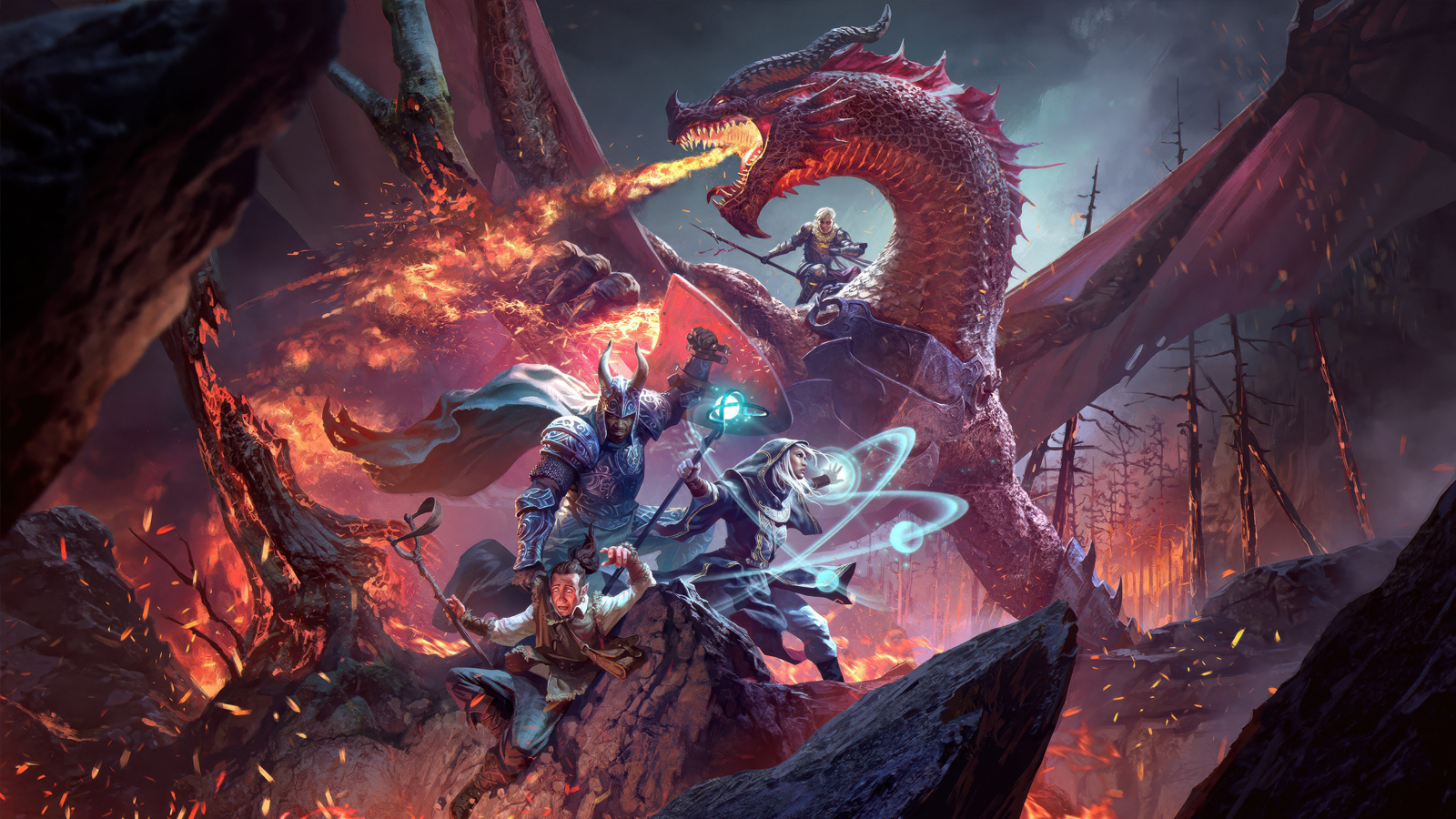
- The Hook: This is the quintessential D&D experience. For centuries, the Kingdom has known peace, but the ancient seals binding the Chromatic Dragons are fracturing. Cultists in red robes have been spotted near the volcanoes, and wyrmlings are terrorizing the countryside. The party must unite the disparate factions of the realm and recover the lost Dragon Orbs before the Great Red Wyrm awakens to burn the world to ash.
2. The Reverse Heist (The Dungeon Builders)
- Genre: Strategy / Tower Defense
- The Hook: Instead of raiding a dungeon, the players must protect one. An ancient Lich has hired the party to renovate his lair and secure his phylactery against waves of “heroes.” The campaign focuses on trap design, monster recruitment, and resource management.
3. The Arcane Apocalypse (Post-Magic)
- Genre: Post-Apocalyptic / Survival
- The Hook: Magic didn’t just fade; it broke. Spells now have a 50% chance of triggering Wild Magic Surges or mutating the caster. The players discover a stable source of magic and must transport it across a wasteland governed by anti-magic inquisitions to “reboot” the Weave.
4. The Sky-Pirate Archipelago
- Genre: Swashbuckling / High Adventure
- The Hook: The world has shattered, and the oceans have drained into the void, leaving floating islands. The party acquires a skyship and a treasure map encoded on a warforged’s memory core. They must navigate wind currents and sky-krakens to find the legendary “Ground Floor.”
5. The Time-Loop Murder Mystery
- Genre: Mystery / Chrono-Thriller
- The Hook: The party attends the Royal Gala. The King is assassinated. The castle explodes. TPK. Then, they wake up in their beds on the morning of the Gala. They are stuck in a 24-hour time loop and must use their retained knowledge to solve the murder before the timeline solidifies.