Nerding out and diving into the lore of Resident Evil is more thrilling than ever. When you read all those classified documents you find everywhere and figure out the biological nightmares causing the outbreaks, it definitely gets you thinking!
After countless hours of digging through Umbrella’s classified files and surviving the franchise’s deadliest encounters, we present the ultimate dossier on every major Resident Evil virus
All Resident Evil Viruses
Resident Evil Zero & Resident Evil (1996 / Remakes)
Progenitor Virus: Discovered in the West African Sonnentreppe flower, this ancient RNA virus rewrites DNA and serves as the genetic foundation for almost all Umbrella bioweapons. While highly fatal, rare individuals with perfect genetics can bond with it to gain superhuman strength and immortality.
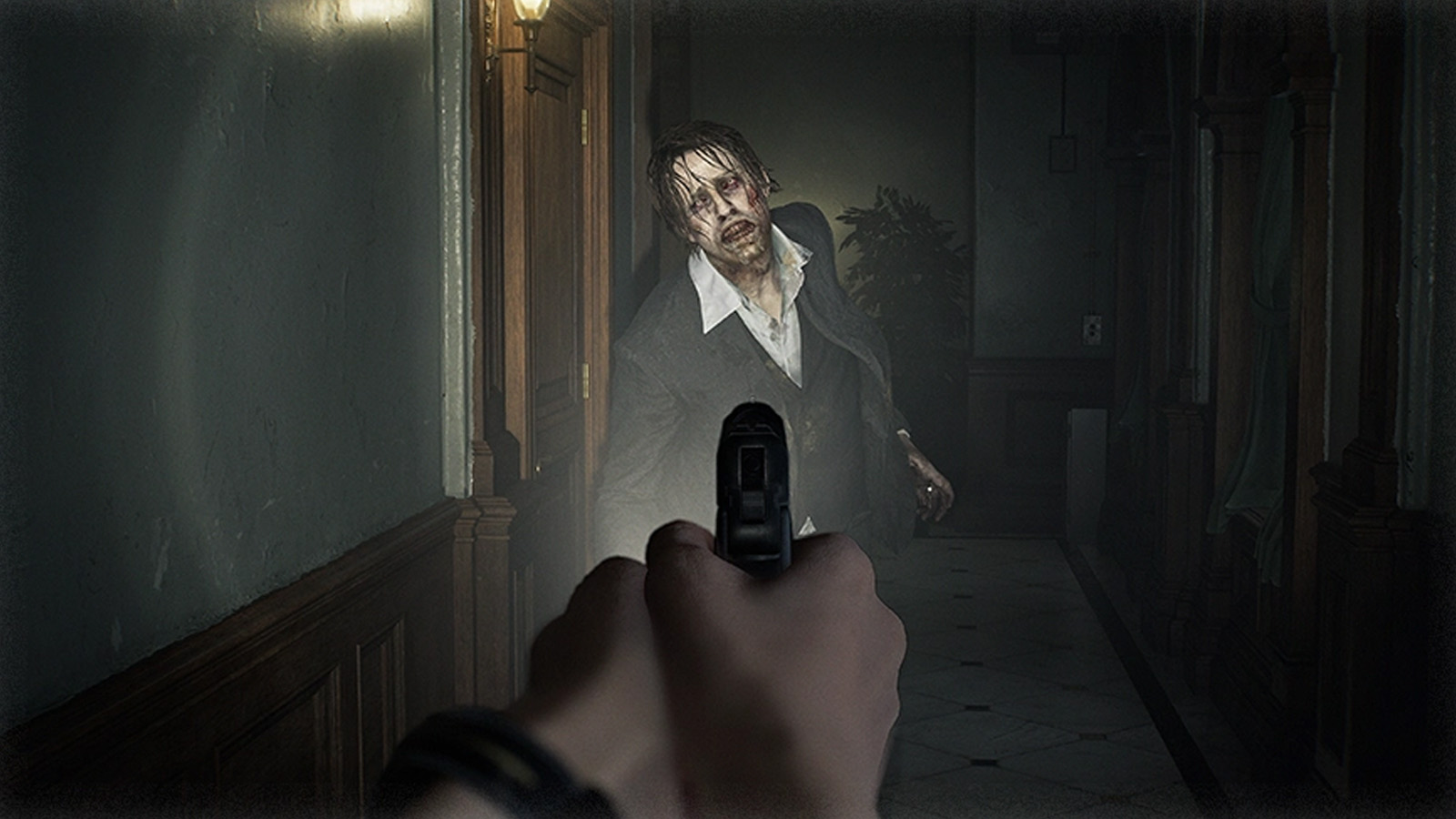
T-Virus (Tyrant Virus): Engineered by Umbrella to create the ultimate super-soldier, this Progenitor offshoot had a massive failure rate. Instead of super-soldiers, it typically causes extreme necrosis, severe brain decay, and ravenous hunger, creating the classic flesh-eating zombies.
Resident Evil 2 (1998 / Remake)

G-Virus (Golgotha Virus): Discovered by William Birkin, this virus causes violent, endless cellular regeneration rather than necrotic decay. Hosts become virtually unkillable, constantly mutating into larger, unpredictable forms to heal from damage and reproducing by violently implanting embryos into blood relatives.
Resident Evil 3: Nemesis (1999 / Remake)
NE-Alpha Parasite: An artificial parasite created by Umbrella Europe to solve the lack of intelligence in standard Tyrant super-soldiers. When surgically implanted into a host’s brain, the parasite takes control, allowing the creature to follow complex orders and use heavy weaponry creating the infamous Nemesis.
Resident Evil – Code: Veronica (2000)
T-Veronica Virus: Created by child prodigy Alexia Ashford by splicing the Progenitor Virus with ant DNA and plant genetics. It allows the host to retain their full intelligence and command lesser infected creatures, provided they remain in cryogenic sleep for 15 years while the virus safely adapts to their body.
Resident Evil: Dead Aim (2003)
T+G Virus: A rare hybrid pathogen created by Umbrella defectors aboard a luxury cruise ship. It grants the host the rapid regenerative and mutating abilities of the G-Virus alongside the electrical properties and raw strength of a Tyrant.
Resident Evil 4 (2005 / Remake)

Las Plagas: Ancient, naturally occurring arthropod parasites excavated in rural Spain that attach directly to the host’s central nervous system. Victims lose their free will but retain human intelligence and the ability to use weapons, completely obeying whoever holds a “Master Plaga.”
Resident Evil 5 (2009)
Uroboros Virus: Albert Wesker’s ultimate doomsday project, combining the Progenitor Virus with Plagas DNA and T-Virus antibodies to force human evolution. It violently rejects unworthy hosts, turning them into writhing masses of black leeches, while bonding perfectly only with those who possess elite genetics.
Resident Evil: Revelations (2012)
T-Abyss Virus: A specialized marine strain developed by combining the T-Virus with a pathogen found in deep-sea trench fish. It completely liquefies the host’s fat and bones, turning them into water-based, blood-sucking monstrosities known as the “Ooze.”
Resident Evil 6 (2012)
C-Virus (Chrysalid Virus): A highly infectious bioweapon created by splicing the T-Veronica and G-Viruses, capable of being mass-spread via blue gas. It creates intelligent “J’avo” mutants who can use firearms and undergo hyper-specific bodily mutations when damaged, sometimes encasing themselves in a hardened chrysalis to hatch as massive bioweapons.
Resident Evil: Revelations 2 (2015)
T-Phobos Virus: Developed by Alex Wesker, this unique strain responds directly to the host’s brain chemistry. It only triggers a horrifying mutation when the host experiences extreme fear or stress, remaining perfectly dormant if the host manages to stay calm.
Resident Evil 7: Biohazard (2017)
The Mold (Megamycete): An ancient fungal superorganism that acts as a massive biological hard drive, absorbing the consciousness and memories of anyone it infects. It creates a telepathic hive mind controlled by a central host and produces monstrous fungal creatures known as the “Molded.”
Resident Evil Village (2021)
Cadou: Parasitic nematodes exposed to the Mold by Mother Miranda and surgically implanted into human subjects to test their compatibility. This parasite is responsible for creating the Lycans, as well as the unique, localized mutations of the Four Lords (such as Lady Dimitrescu’s size and healing).
Resident Evil: Vendetta (2017 CGI Film)
A-Virus (Animality Virus): A terrifying airborne or waterborne virus developed by bio-terrorist Glenn Arias that turns victims into aggressive zombies. Crucially, the creator can “program” the virus to distinguish friend from foe, allowing uninfected soldiers to safely fight alongside the infected horde.
Resident Evil 9: Requiem (2026)
Raccoon City Syndrome (Late-Onset T-Virus): A dormant strain of the T-Virus secretly spliced with Ebola DNA by William Birkin that reactivates decades after initial exposure. It eventually bypasses the host’s original antibodies, causing fatal, late-stage outbreaks among older Raccoon City survivors like Leon S. Kennedy.
Elpis: Originally believed by terrorists to be a deadly mind-control virus created by Oswell E. Spencer, it is actually revealed to be a universal antiviral hidden in the underground ARK facility. It was secretly designed by a remorseful Spencer as the ultimate cure for all bioweapons, including the T-Virus.
READ MORE: Critical Role video game to be revealed “any day” according to CEO Travis Willingham



Leave a Reply